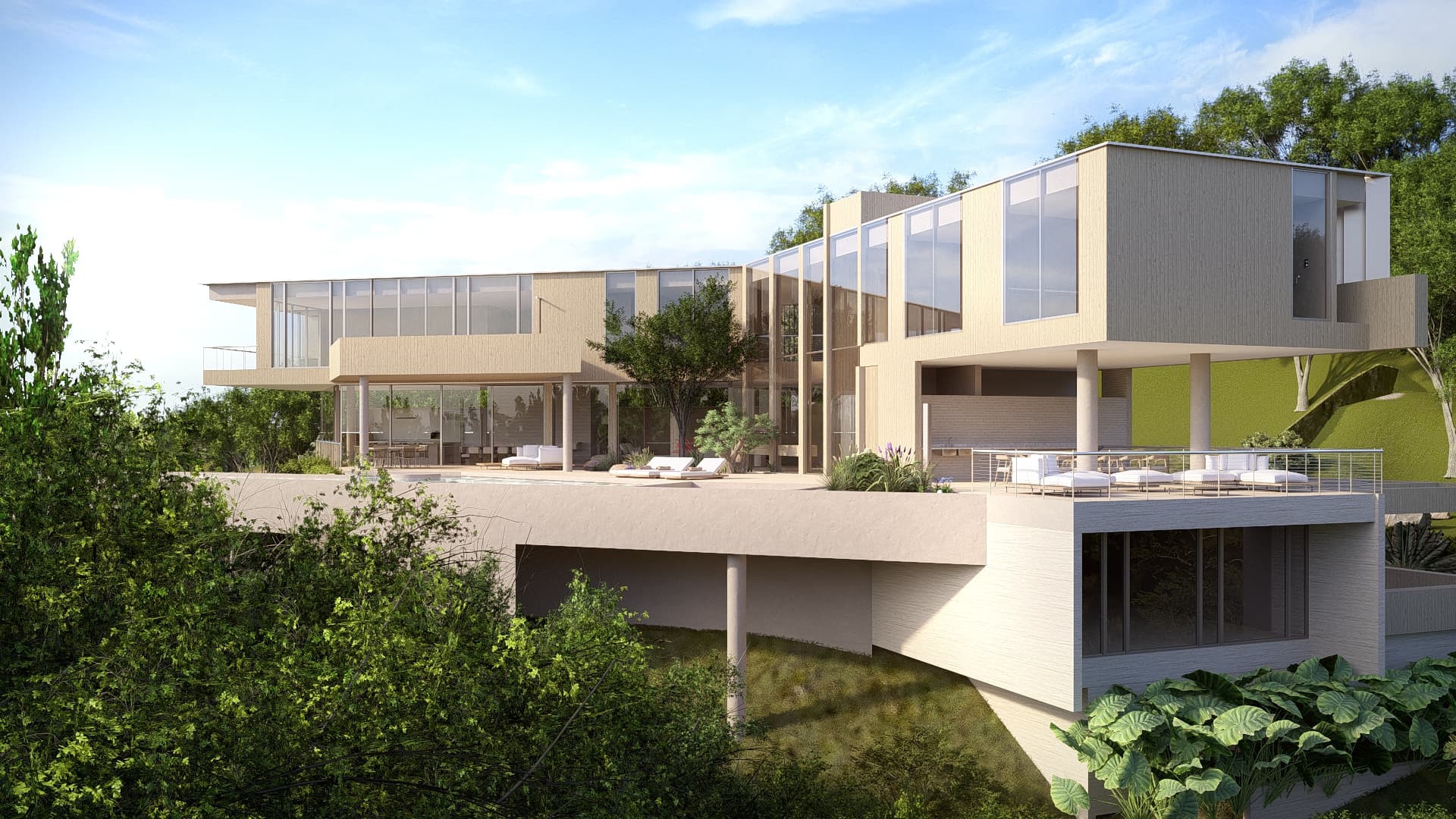
Un jardín en el centro.
El mar en el horizonte.
La piscina, entre los árboles.
Una casa diseñada para
contemplar y apreciar.
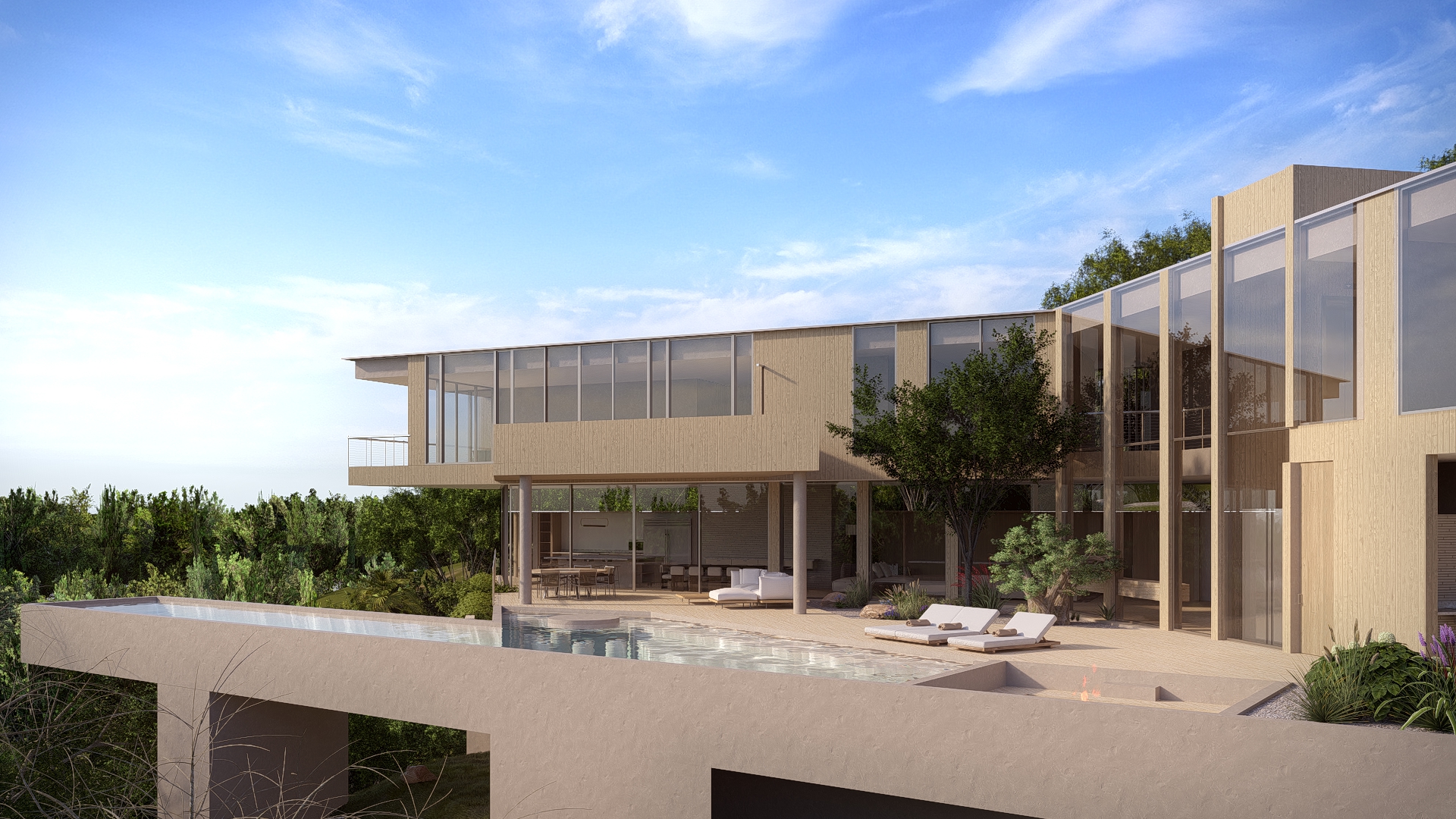
En el zen japonés, el enso es un círculo trazado de un solo gesto — imperfecto, completo. Casa Enso toma esa idea de contemplación como eje del diseño: una casa orientada hacia las vistas, con un jardín central de bonsái como punto focal de contemplación, y una piscina semiolímpica que se pierde entre los árboles hacia el horizonte del mar.
La idea no es rodear el paisaje — es habitarlo desde el mejor ángulo posible. La piscina y el jardín funcionan como un anfiteatro natural orientado al sunset: el momento del día en que el agua refleja los colores del cielo, el fogón se enciende y la casa encuentra su razón de ser.
La arquitectura está diseñada para eso — para que cada espacio, desde el living hasta la terraza más alta, tenga su propio momento de luz, su propia relación con el verde que lo rodea y el horizonte que lo corona.
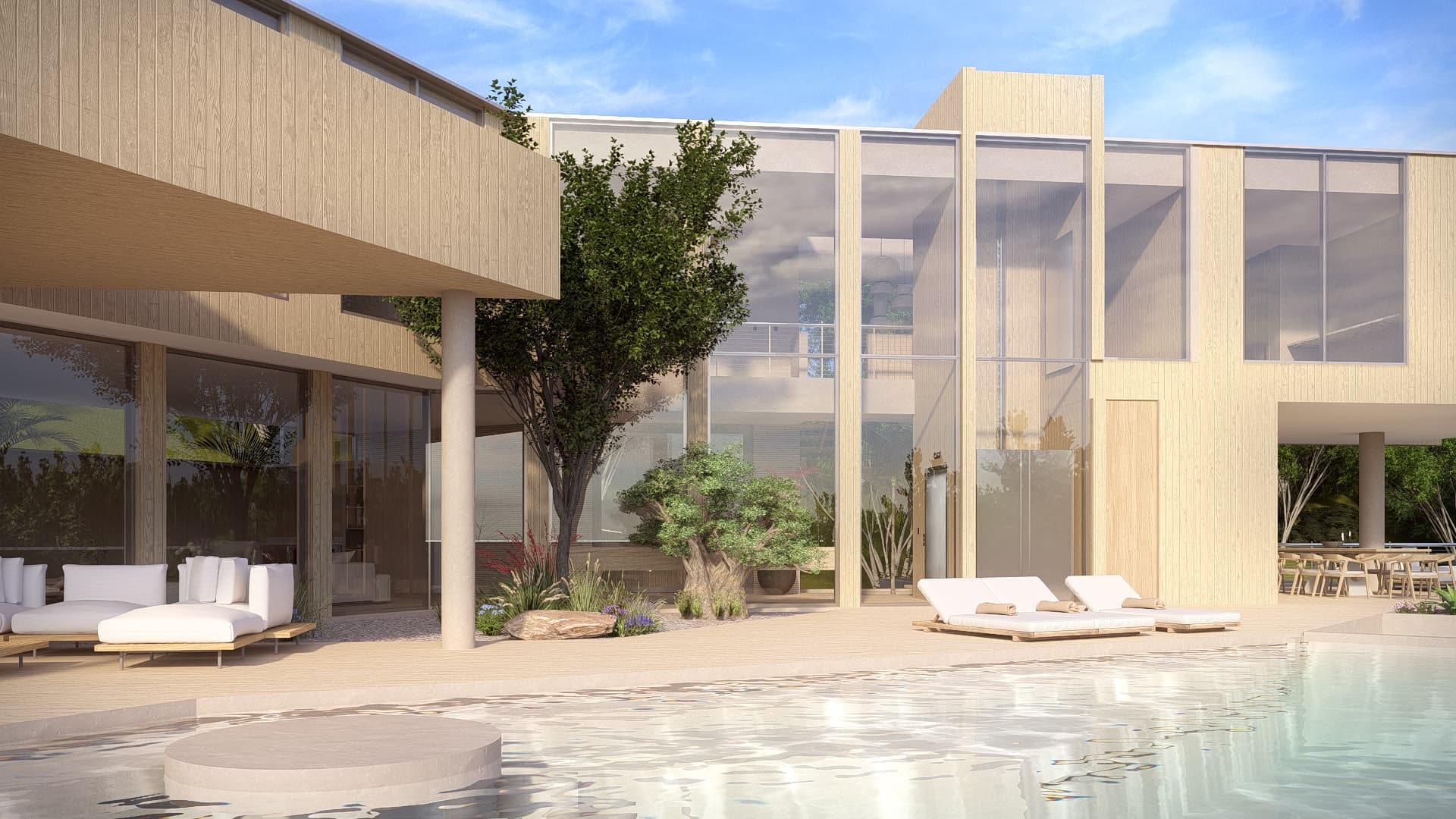
El jardín y la piscina
como anfiteatro
del sunset.
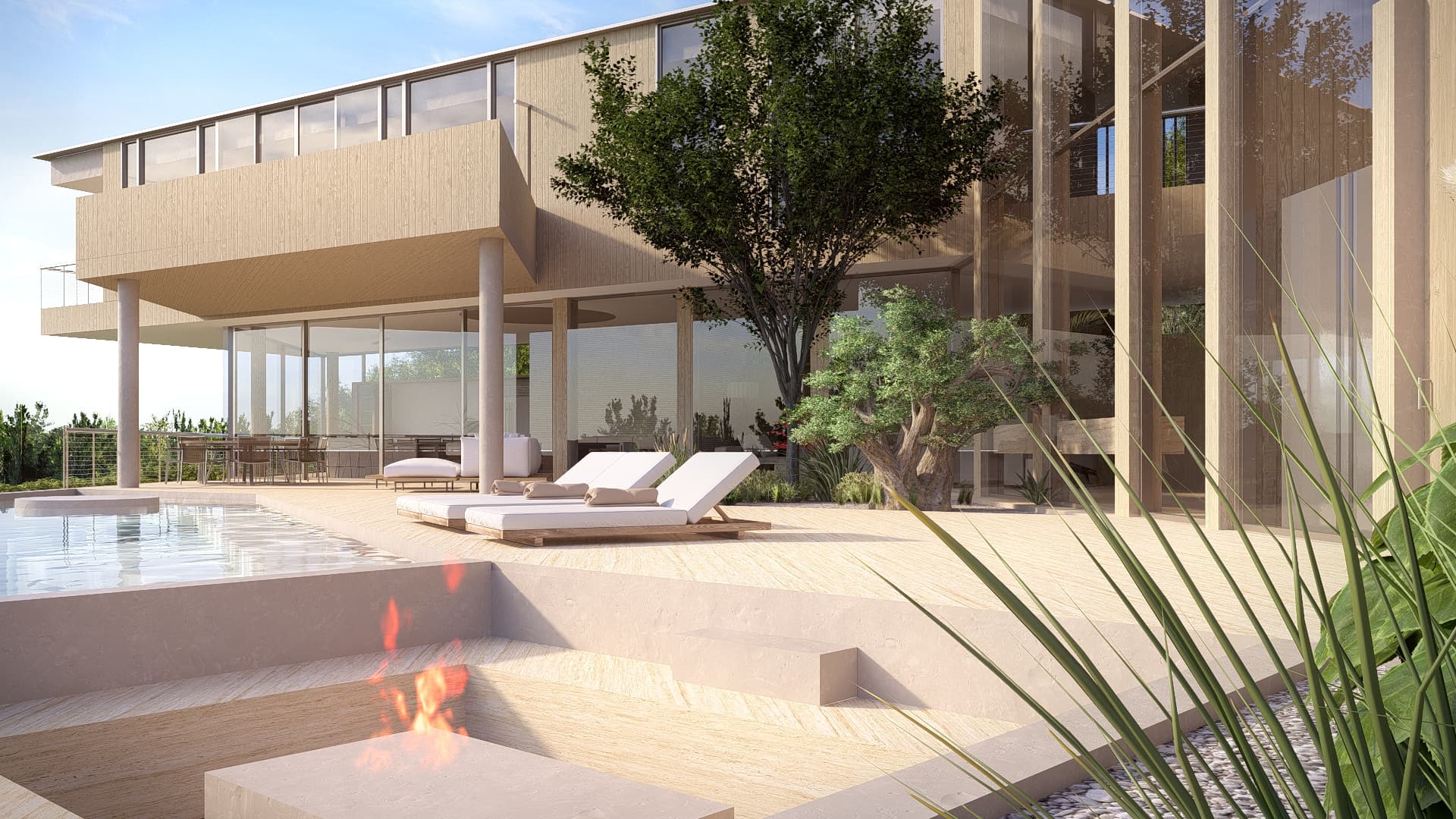
El jardín central de bonsái no es decoración — es el punto focal desde el que se organiza la contemplación. Las piedras, la gravilla y el árbol singular crean un espacio que invita a detenerse, a mirar, a sentir el paso del tiempo.
La piscina semiolímpica se extiende desde ese jardín hacia el paisaje, perdiéndose entre los árboles en dirección al mar. Al atardecer, el agua refleja el cielo y el fogón encendido marca el momento más poderoso del día.
Desde cualquier punto de la casa — desde el living, desde la terraza, desde el agua — la vista siempre termina en el mismo horizonte.
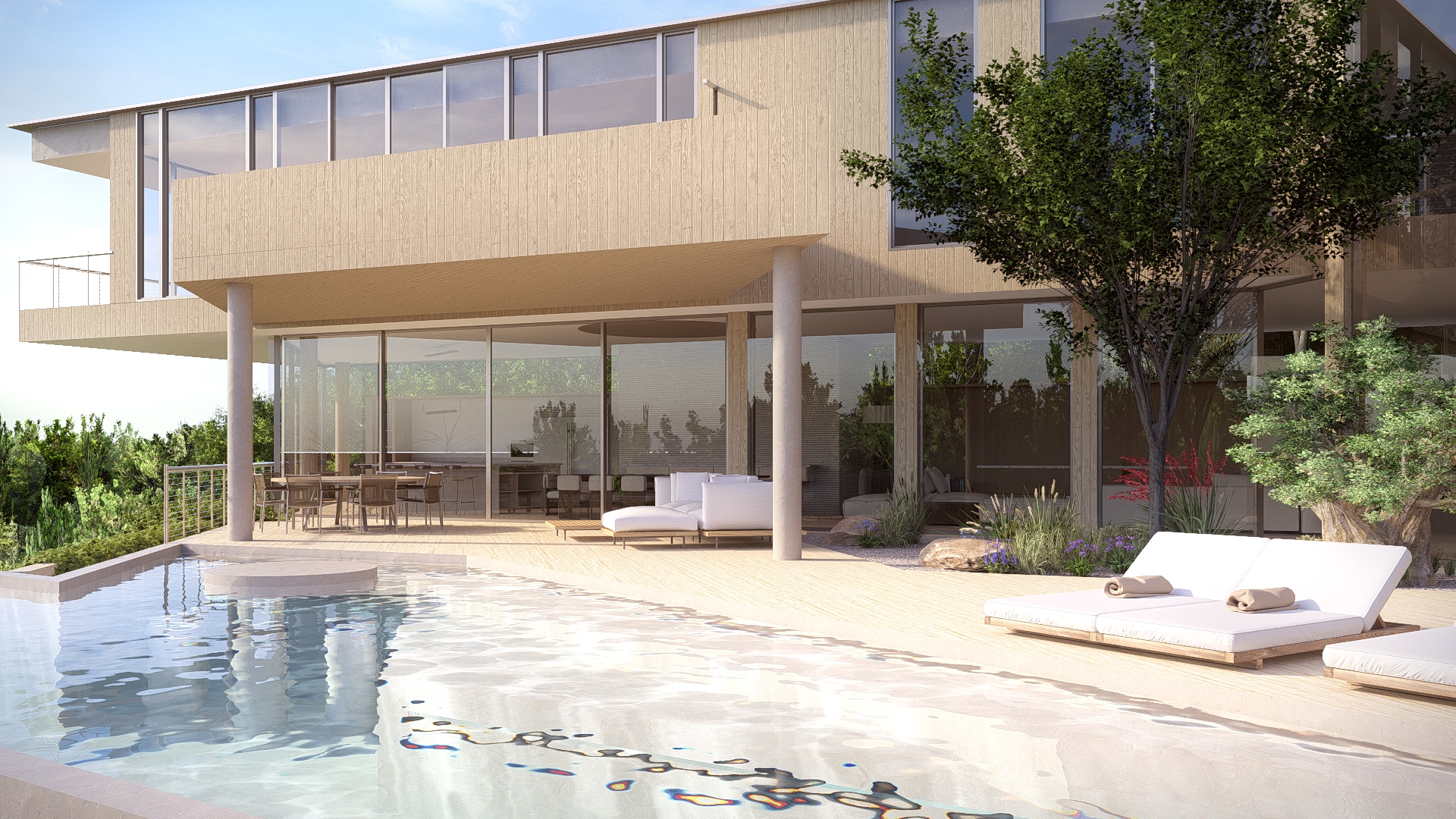
El fuego.
El agua.
El sunset.
El fogón integrado al borde de la piscina define el atardecer en Casa Enso. Es el punto de reunión donde el agua, el calor del fuego y las vistas del horizonte convergen en un solo momento. La arquitectura no termina en los muros: termina cuando el sol toca el océano y el reflejo llena la piscina de color.
Arena, madera y vidrio.
Lo que el trópico ya tiene.
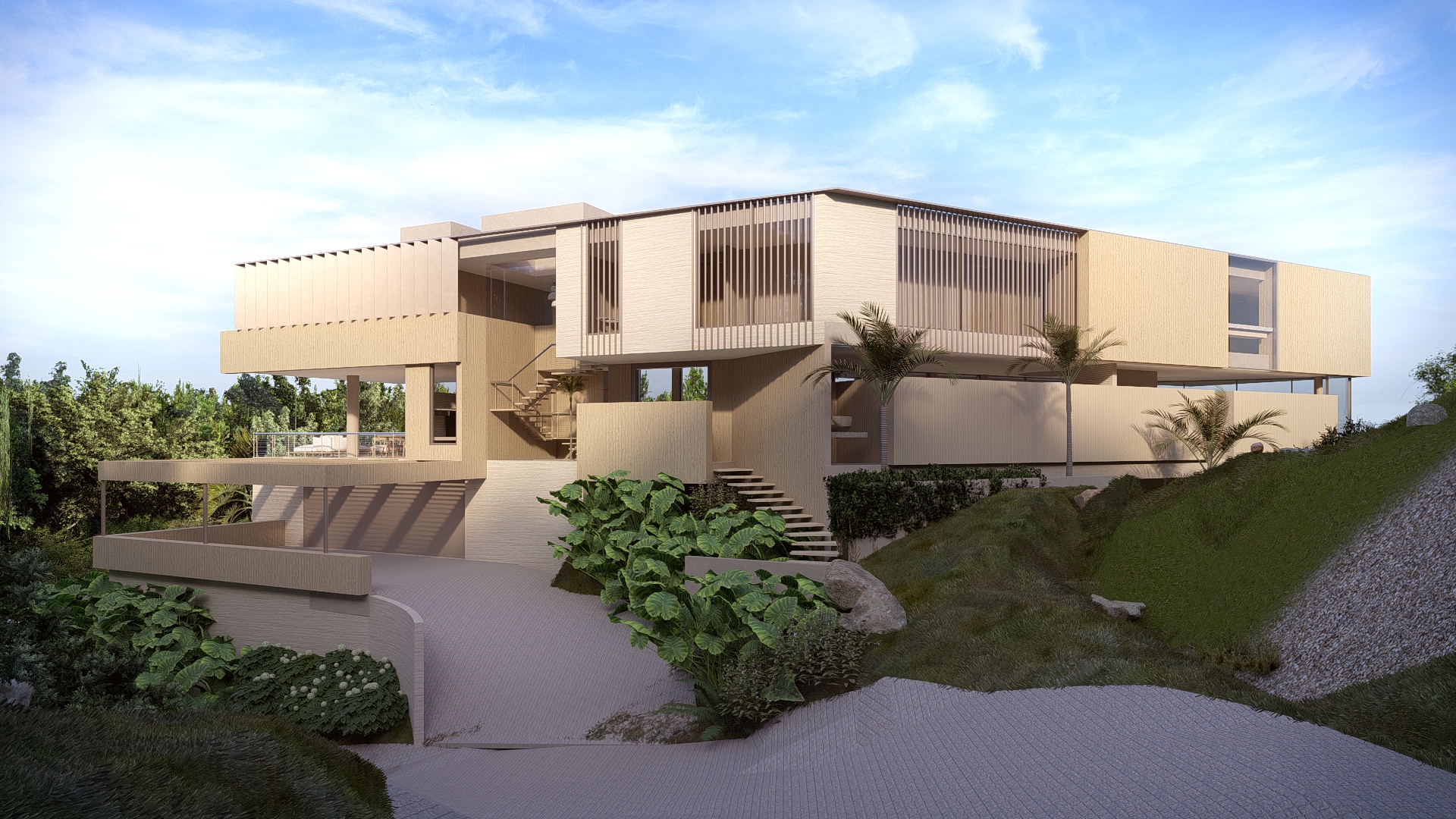
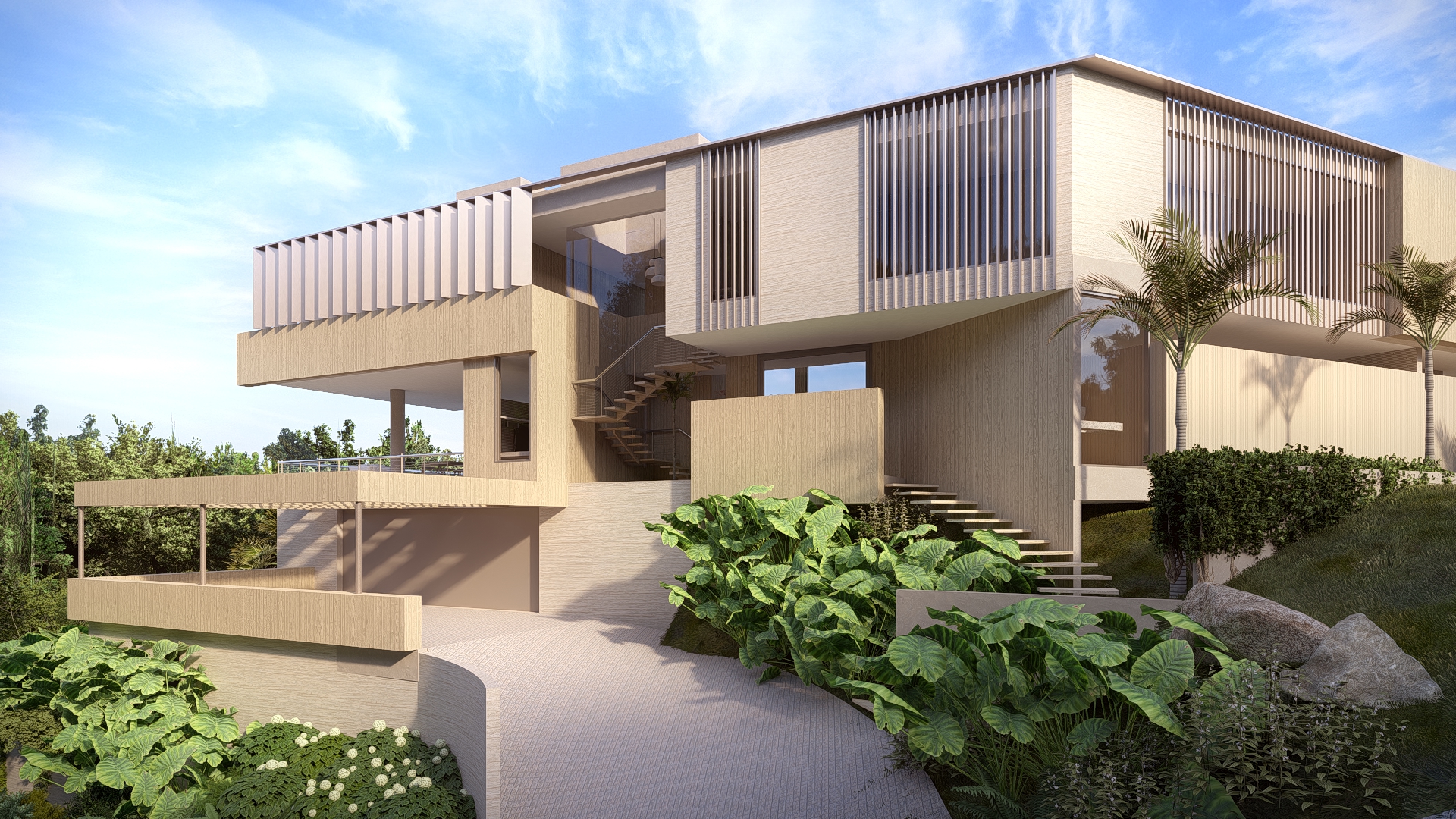
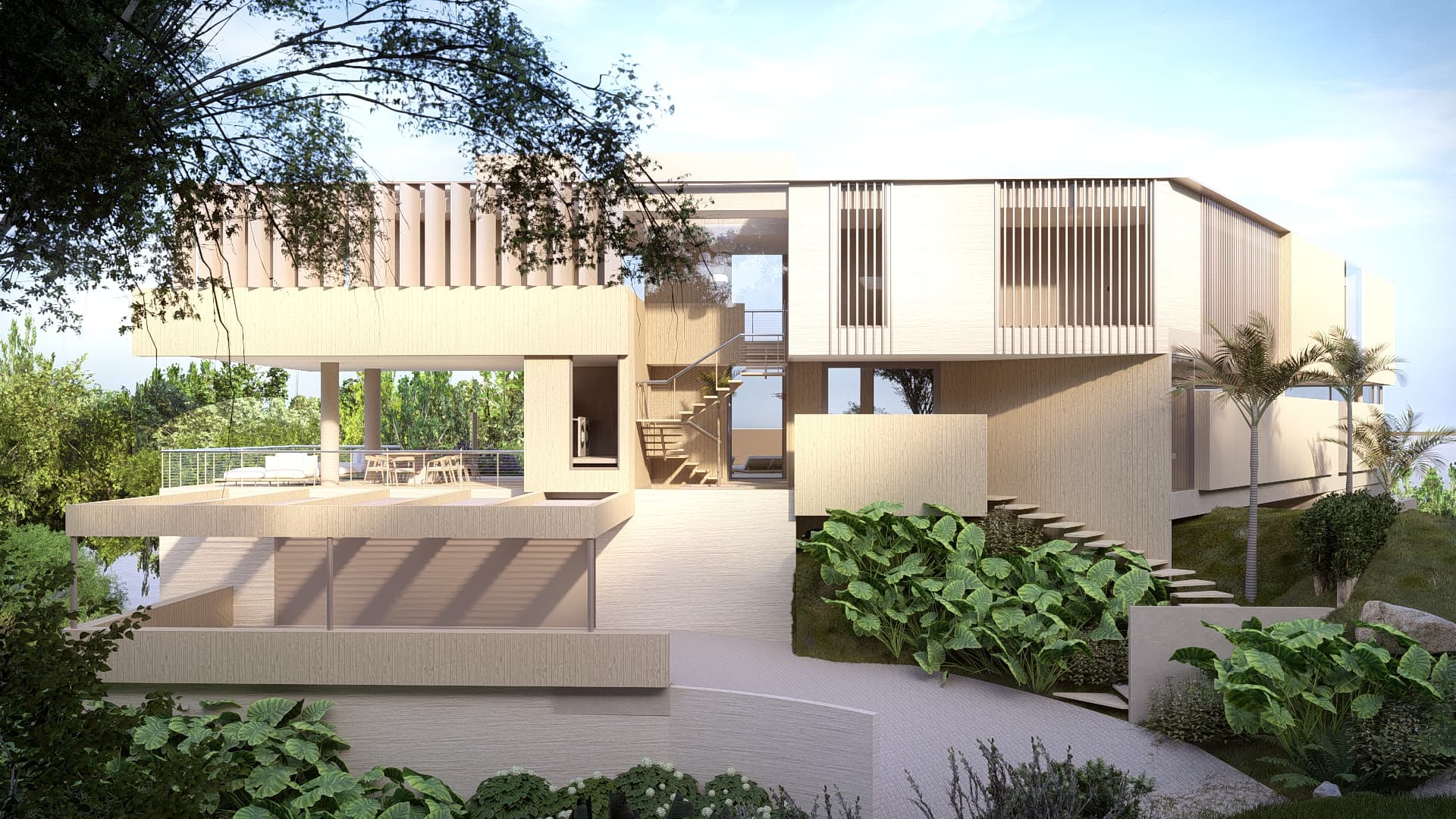
La paleta de materiales de Casa Enso es deliberadamente neutra — tonos arena caliza en la estructura, celosías verticales de madera clara que filtran la luz sin cerrar las vistas, vidrio en las fachadas que devuelve el paisaje hacia adentro. No hay color que compita con el jardín central ni con el verde que lo rodea.
Los volúmenes flotantes sobre pilotes de concreto elevan la casa sobre el terreno en pendiente, liberando las vistas desde los niveles inferiores y creando sombra y ventilación natural. El travertino en pisos y terrazas ata todos los planos exteriores en una misma lectura horizontal que refuerza el plano de contemplación orientado al mar.